Navigating the complexities of manufacturing without the latest software solutions is akin to attempting modern travel using a map from the 1800s. This bold assertion underscores the transformative impact that technology has on the efficiency, productivity, and competitiveness of manufacturing operations.
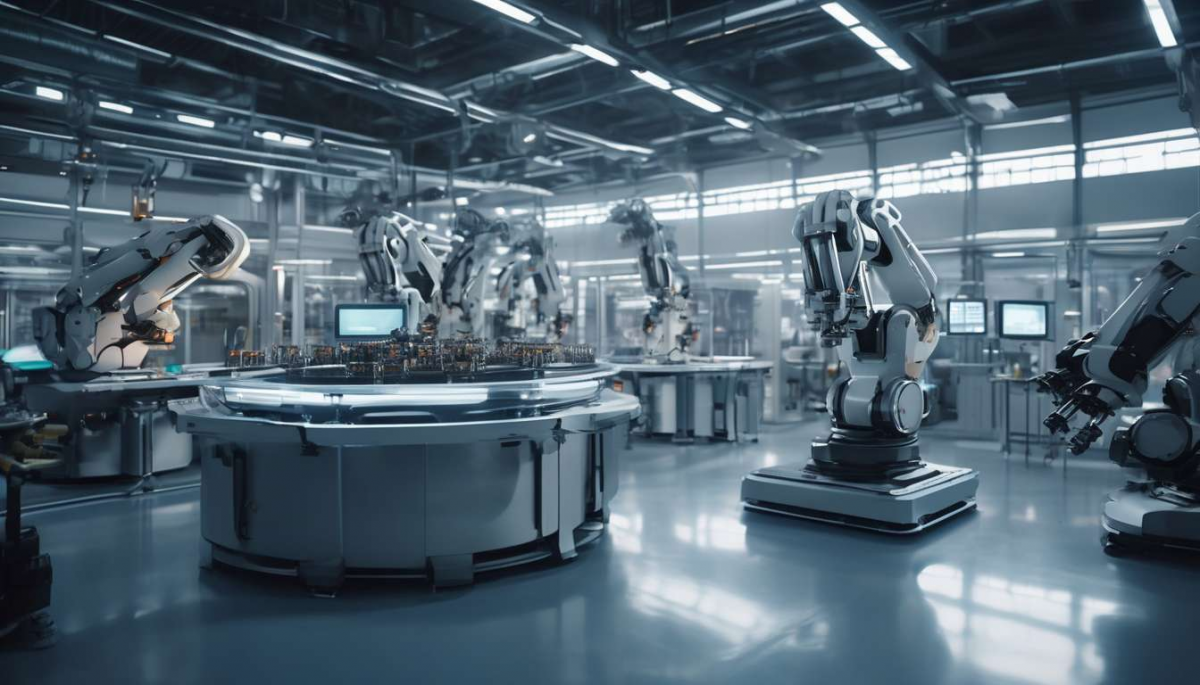
Rather than clinging to outdated manual methods or disjointed systems, embracing comprehensive software solutions can revolutionize processes from supply chain management to production floor oversight. In an era where precision and speed dictate success, integrating advanced software is not merely advantageous but essential.
The tools available offer unprecedented control over:
- Quality assurance
- Inventory management
- Equipment maintenance
These tools ensure that every facet of manufacturing is synchronized and optimized.
The perspective that traditional methods suffice is increasingly contrarian as the modern landscape demands agility and data-driven decision-making. Recognizing this paradigm shift is crucial for companies aiming to stay ahead in the dynamically evolving manufacturing sector, where adaptability becomes the key to sustained success.
Here is good information: investing in the latest software solutions equips manufacturers with the necessary tools to thrive in an ever-evolving industry landscape.
Boost Quality Control
Implementing advanced software solutions significantly enhances quality control in manufacturing processes. This enhancement is achieved through the integration of quality assurance protocols into automated systems.
Benefits of Automation in Quality Control:
- Minimizes human error
- Increases efficiency
- Ensures every product meets predefined standards
By incorporating these advanced solutions, manufacturers can achieve consistent product quality, fostering a sense of reliability and trust within their operations.
Integration of Software Solutions:
- Allows for seamless communication between different stages of production
- Ensures uniform application of quality assurance measures across all processes
- Reduces variability and enhances overall product quality
The use of real-time data analysis enables the quick identification and rectification of quality issues, minimizing production downtime and waste.
Scalability and Collaboration:
Advanced software solutions offer scalability, allowing manufacturers to easily adapt to changing production demands without compromising quality.
These solutions create a cohesive environment where all stakeholders, from production teams to management, can collaborate effectively, ensuring that quality control remains a fundamental pillar of manufacturing operations.
Streamline Inventory Tracking
Efficient inventory tracking software streamlines operations by providing real-time visibility into stock levels and movement. This advanced functionality ensures that manufacturing units maintain optimal inventory, reducing the risk of overstocking or stockouts.
Automation plays a critical role in this process by:
- Facilitating seamless tracking and updating of inventory data.
- Eliminating the need for manual intervention.
- Minimizing human error.
- Enhancing accuracy.
Integration with existing systems such as enterprise resource planning (ERP) and supply chain management tools further enhances inventory management. This interconnected approach allows for:
- A unified view of operations.
- Informed decision-making.
- Cohesion within the organization.
Through integrated inventory tracking, information flows effortlessly across departments, ensuring that all stakeholders are aligned with real-time stock status.
Quality assurance is significantly improved by maintaining accurate inventory records, as it allows for the timely identification and rectification of discrepancies. By leveraging advanced inventory tracking solutions, manufacturing entities can:
- Foster a collaborative environment.
- Support efficiency with precise data.
- Achieve shared goals.
Enhance Equipment Maintenance
Proactive Equipment Maintenance Software
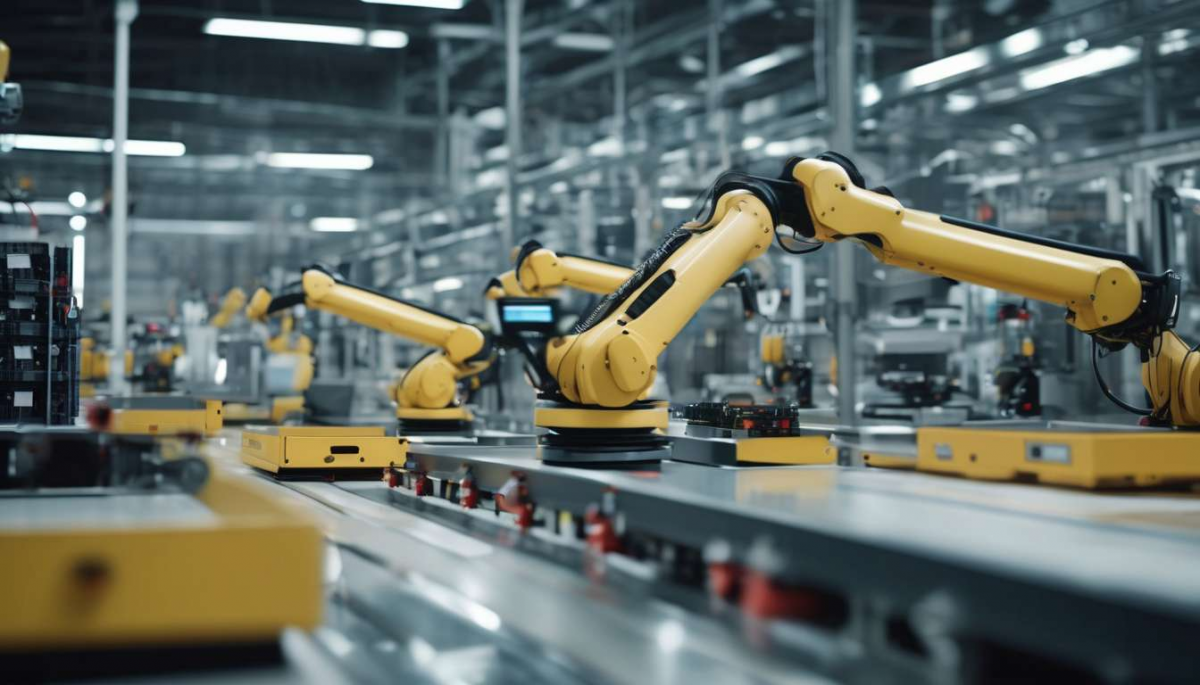
Proactive equipment maintenance software significantly boosts manufacturing efficiency by predicting and preventing potential breakdowns. This predictive capability not only reduces downtime but also enhances the reliability of machinery.
By integrating advanced automation technologies, businesses can ensure a seamless flow of operations, reinforcing the sense of community within the manufacturing environment. Such systems enable real-time monitoring and management, which leads to improved Quality Assurance standards.
Integration and Collaboration
The integration of maintenance software with existing systems provides a unified platform that streamlines communication and data sharing across departments. This fosters a collaborative atmosphere where every team member feels valued and included.
Automation simplifies complex maintenance tasks, allowing personnel to focus on strategic activities. This shift enhances productivity and team morale.
Quality Assurance and Equipment Longevity
Quality Assurance is elevated by maintaining equipment at optimal performance levels, ensuring products meet stringent standards.
Incorporating these solutions within the manufacturing framework not only safeguards equipment longevity but also strengthens the collective goal of delivering excellence and reliability in production.
Optimize Production Processes
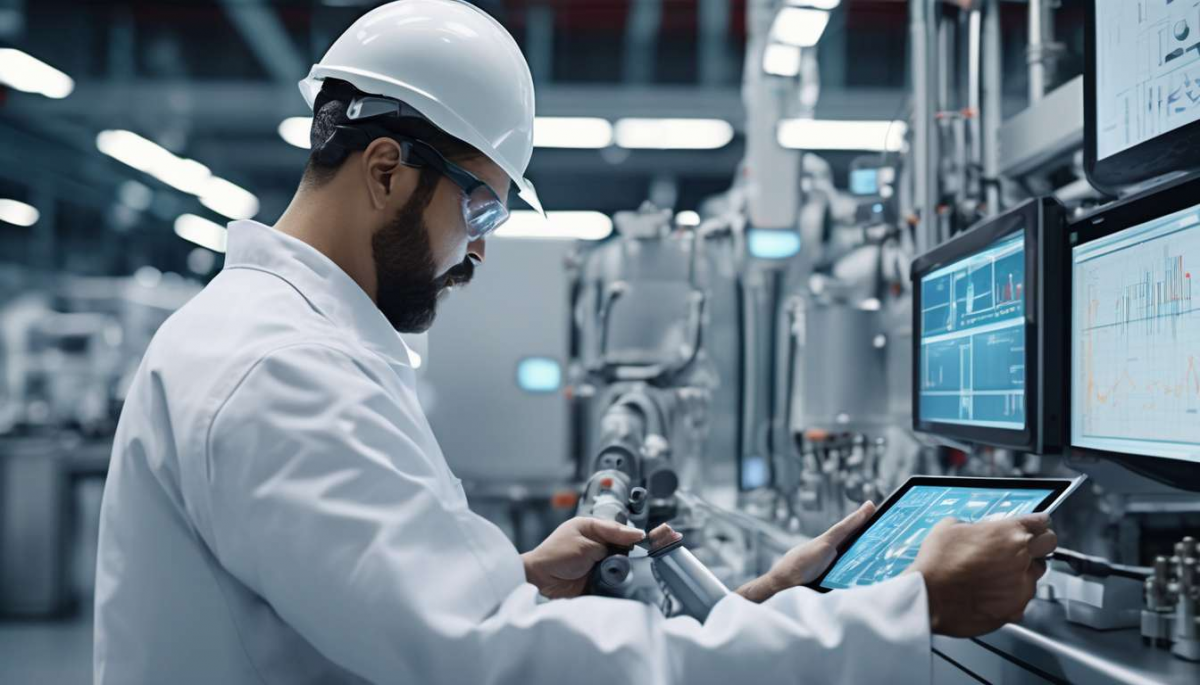
Streamlining production processes involves leveraging cutting-edge software solutions to enhance efficiency and reduce operational costs.
Embracing automation is pivotal in minimizing human error and ensuring consistent product quality. Automated systems facilitate the seamless execution of complex tasks, reducing lead times and increasing throughput. Proper implementation of automation tools significantly contributes to robust quality assurance, ensuring each product meets stringent industry standards.
Integration of production systems through advanced software platforms enables real-time data exchange, enhancing decision-making processes. This integration fosters a collaborative environment where departments work in unison, optimizing resource allocation and minimizing waste. By creating a cohesive production ecosystem, businesses can swiftly adapt to market changes, maintaining a competitive edge.
Further, integrating quality assurance protocols within production workflows ensures continuous monitoring and prompt detection of deviations. This proactive approach not only prevents costly recalls but also bolsters customer trust and satisfaction.
Adoption of these software-driven solutions positions manufacturing businesses for sustainable growth and industry leadership.
Implement Supply Chain Integration
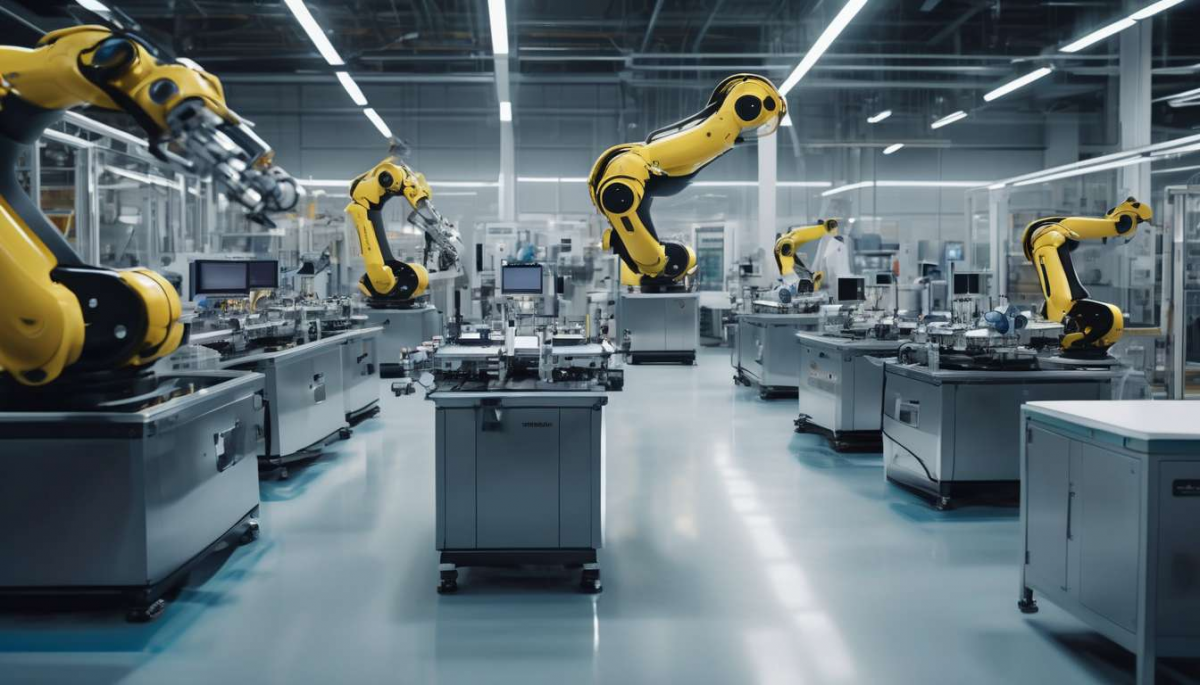
Effective supply chain integration leverages advanced software to enhance visibility, streamline operations, and foster collaboration among stakeholders. This approach plays a critical role in aligning various components of the manufacturing process, ensuring that each segment operates in harmony.
By facilitating seamless integration, manufacturers can achieve superior quality assurance through real-time tracking and monitoring of production elements.
Automation forms a cornerstone of this integration by:
- Reducing manual intervention
- Minimizing human error
Automated systems empower stakeholders by providing accurate, up-to-date information, which is essential for making informed decisions. As a result, the entire supply chain becomes more responsive and resilient to market demands and disruptions.
Integration of software solutions not only improves efficiency but also ensures that all parties involved are working cohesively toward shared objectives. By fostering a sense of belonging, organizations can create a collaborative environment that encourages innovation and continuous improvement.
This collective effort ultimately leads to a more robust and agile manufacturing ecosystem, capable of sustaining long-term growth and success.
Maximize Operational Efficiency
Achieving optimal operational efficiency in manufacturing relies on implementing cutting-edge software solutions that streamline processes and reduce waste.
Automation plays a crucial role in this endeavor by:
- Enabling consistent production.
- Minimizing human error.
- Allowing manufacturers to allocate resources more strategically.
By automating repetitive tasks, manufacturers can ensure that human expertise is directed towards areas requiring critical thinking and innovation. This not only enhances productivity but also fosters a collaborative environment where employees feel valued.
Integration of systems and processes further contributes to operational efficiency by:
- Facilitating seamless communication between departments through integrated software solutions.
- Ensuring smooth information flow across the organization.
This interconnectedness strengthens decision-making capabilities and allows for rapid response to market changes or production challenges, promoting a sense of unity and shared purpose among team members.
Quality Assurance remains a cornerstone of efficient manufacturing operations. Software solutions designed for real-time monitoring and analysis enable proactive measures to:
- Maintain high standards.
- Reduce defects.
- Enhance customer satisfaction.
Consequently, a culture of continuous improvement and excellence is cultivated.